Showing posts with label Loire Valley. Show all posts

Sunday, March 10, 2013

Happy/Sad Cheverny

Supposedly there are more words in the English language than in most other languages. And yet it feels as though we are limited in our ability to discuss some of the more important ideas - there just aren't enough words. I've read that there are over 40 words for snow in one of the Inuit languages. Makes sense - there are many different types of snow and if this is an important part of daily life, differentiating between these kinds of snow, it's natural that different words wold emerge so that people can communicate clearly.

Although there apparently are a lot of words in English, we have only two that I can think of to describe warm feelings towards another person - "like" and "love." Shouldn't there be more than that? Aren't there gradations that we aren't giving efficient voice to? Same with "happy." There are many different kinds of happiness, but we have few words to differentiate here. There is the kind of happy you feel when a puppy bounds up and starts licking your face or the kind of happy you feel when holding a 6 month old baby. The kind of happy you feel when you've stepped inside from a soaking rain, or finally made it through security after a long line at the airport. The kind of happy you feel when you're finished taking a final exam, or the kind you feel when your test results are negative. The kind you feel when you get to the BBQ and open the back door to the yard, see everyone there talking and eating and having fun, and you haven't yet but are about to join the fray. There's even the weird kind of happiness you (or maybe just me?) feel when you are depressed about something, but finally give in and allow yourself to wallow in it in the comfort and safety of your own home - an exquisitely sad kind of happy.

Where am I going with this. A fair question indeed, patient reader.

Well, if a puppy licking your face is Beaujolais Nouveau, I think I've found a wine that for me best expresses the exquisitely sad kind of happy. I'm talking about 2010 Domaine de Veilloux Cheverny Rouge. I opened a bottle a week ago or so and it was really difficult at first, loaded with reductive funk. But there was something accessible in there, a very lovely note of dried roses. The next day the wine retained a tannic edge, but it showed such pretty fruit and floral tones, satisfying kernels of happiness inside of a challenging package.

The wine is a blend of many grapes - Cabernets Sauvignon and Franc, Malbec, Gamay, probably Pinot too and I don't know what else. I do know that the wine is farmed biodynamically and organically and that 2010 is my favorite recent vintage for Loire wine. I also know that it is a selection of Michael Wheeler (a friend of the Dressners and much of the NYC wine world who moved out west) and Michael Foulk - their company is MFW Wine Co. This is a relatively new company, I think based in Portland Oregon, and their book includes some lovely wines that are direct-imported in NYC by David Lillie at Chambers Street Wines. There are some other wines too, things I've not heard of, including a lovely little Barbera called FUSO, made by Walter Massa - it's surprisingly good wine for $13.

Veilloux Cheverny Rouge is an excellent argument for blended red wine, a complex, expressive, and delicious wine, but a wine whose happiness does not come easily. You need to wallow in in a bit first. It sips well on its own, but really shines with all sorts of food. It sells for something like $15-17, and it's worth looking for. I got mine at the excellent Slope Cellars in Park Slope, Brooklyn. Try it, if you're looking for that exquisitely sad/happy feeling.

Friday, September 21, 2012

Shell Beans

It took me a while to actually buy the beautiful fresh shell beans that appear in the market throughout the summer. I read about how easy they are to work with and how delicious they are, how it's hard to go back to dried beans afterwards. And I was tempted, but really? Would I do all of that work for beans?

Yes I do and it's not really much work, especially if you do it with your kids or a friend. It feels good to work with food like this, to start with it in its unprocessed state. It gives me the illusion that I live in a better and healthier way than I actually do. And what I read is true - shell beans are remarkably easy to work with and are quite versatile too. You can use them however you would, well, beans.

Not sure what kind these are, although from the outside I thought they were cranberry beans. But mostly they were light green in color, not the white with red veins that I associate with cranberry beans. No matter, these were beautiful too. 

I like to braise them in just enough liquid to cover them and then eat them as a side vegetable. Or with bread as a main dish. Perhaps the most classic of seasonings for the braise is rosemary and garlic, and then finished with olive oil. You won't go wrong with that, but that feels wintery to me. On this late summer evening I imagined something different, something more summery. I had a crisp red pepper in the house and a fresh bunch of parsley, and so it was.

Sliced onions sweated in a heavy bottomed pot, a small clove of finely chopped garlic too, and some diced celery. I added two small anchovy fillets because it seemed like a noble thing to do. When everything was aromatic and enticing, I added a small glug of sherry vinegar, a bit of salt, and then enough water to just cover the beans. After they came to a boil, a bay leaf, some coarsely chopped sweet red bell pepper, reduce the heat and cover almost all the way to braise for 20 minutes. I don't know exactly how long until they're done because it depends on the temperature, the kind of pot, and the kind of beans you're using. I start checking at about 20 minutes. 

When they are almost as tender as I want them to be I uncover the pot and raise the heat again to reduce the liquid  bit. I finished the dish with a small glug of good olive oil, chopped parsley, and lemon zest. The peppers never got as pliable as I had hoped for, which I take as a sign of their absolute freshness, not my incompetence. You may see things differently and that's fine.

My daughters and I ate these beans with rice and they was nary a complaint. In fact, the younger one insisted on putting on her own parsley and lemon zest. What to drink with this dish? This is not a difficult problem, as i think it would be hard to offend this dish with wine.

I went with the 2007 Domaine de la Pépière Muscadet Granite de Clisson, $22, imported by Louis/Dressner. This is completely wrong of me because you have to drink Muscadet with seafood, preferably oysters. It's not allowed to go with beans or meat or anything like that. Seafood, that's it. One really should follow the rules, but I did not. But I had a half bottle remaining from the previous day and those rules are, of course, ridiculous. The wine is developing beautifully! It exceeded my expectations on both days. At first it was beautiful as a wine, with lemon and leesy richness and crystalline purity, long and fragrant on the finish. Just a detailed, balanced, and delicately articulated very fine wine whose fineness belies its power. And on the second day it becomes more recognizable as a Muscadet with briny notes emerging, and more of a leesy sense on the finish. This is excellent wine and although earlier in the week I said that I have no idea what will happen to the wines in my cellar, I'm betting on this one to be gorgeous at every point over the next 20 years.

Friday, August 10, 2012

Whoa!

You know how sometimes you eat a wonderful dish or drink a great bottle with friends and although you want to share the joy, you just never seem to work it into a post on your blog? Me too, I know exactly how you feel. Here are some things from the past few months that I haven't managed to write about, but are worth sharing:

Earlier in the summer in a Japanese restaurant I ate this small appetizer plate of young bamboo shoots. They were probably simmered first, or maybe parboiled, and dressed with a Japanese herb the name of which I do not know. And the rest of the dressing - I have no idea. I have felt frustrated that I didn't ask more about the dish, but I didn't - that's that. I still think of it though because whoa, it was so good. Next year early summer I will go back and in general, I will eat more bamboo.

I know I just mentioned Bodegas Tradición Palo Cortado last week, but that was a glass pour at a restaurant. Thinking that the wine is not imported to the US (the Oloroso and Amontillado are, but not the Palo Cortado for some reason), I brought a bottle home in my luggage last October. I opened it when some one was over for dinner, and then had a small glass every day for a over a week - you don't need a lot in one sitting. The wine is great, my favorite of the Bodegas Tradición wines, but it takes a few days to unfurl after the bottle is open. There is almost none of this wine in the US, and I'm telling you, if you like Palo Cortado comprised of very old wines, you should try this. It's amazing in it's richness and depth, and whoa - it has so much finesse. A bottle will run you $90 but think for a moment before you say "no way." You're going to have 10 glasses minimum, so it actually becomes cheap considering what it is you are drinking. Crush has 3 bottles as of this writing, for the few and the bold among you.
A generous person brought this bottle of 2000 Philipponnat Clos des Goisses to a dinner, just to get things started properly. This was a Barolo dinner and there were a few blue chip wines on the table, including wines by Giuseppe Mascarello and Francesco Rinaldi. The Clos des Goisses was the wine of the night for me. It clearly showed the ripeness of this very fine vineyard, and also its elegance and detail of flavor. Whoa, a special treat.

Recently I decided to drink red wine while having dinner at home, a rarity these days. I opened my last bottle of 2007 Filliatreau Saumur-Champigny La Grand Vignole, and it benefited well from a scant few years in the cellar. I love this wine with a couple years on it, particularly in the vintages that are not 2005 or 2009 hot. Whoa, the 2007 is in a great spot right now, very fresh but there are prominent leathery and earthy notes too, and the minerality is strong on the finish. A lovely under $20 wine and a great candidate for mid-term cellaring.

This is bluefish crudo. Whoa, raw bluefish. I ate this not long ago on Martha's Vineyard at a dinner hosted by Chris Fischer, the former chef and current farmer who I believe sells produce to several hip Brooklyn restaurants, including the Andrew Tarlow joints. Anyway, bluefish is oily and very strongly flavored and isn't something that I think of eating raw. But this fish had been caught earlier in the day and it was beautiful, simply served with lemon, olive oil, salt, and herbs - full of fresh and complex flavors. Memorable.

Peter came for dinner one night and brought these two 375 ml bottles of Manzanilla: Equipo Navazos 'I Think' and Valdespino Deliciosa. Drinking these bottles next to one another, whoa - that is a particularly interesting experience in that it highlights the impact of filtration on Manzanilla Sherry. Deliciosa is bottled from a solera in the great Sanlucar bodega called Miseracordia. 'I Think' is a blend of selected wines from that same solera, including barrels from earlier criaderas. It is bottled unfiltered. I think both are great wines and drinking them together like this was fascinating. Deliciosa has a fineness that 'I Think' does not achieve, and 'I Think has a complexity and depth' that Deliciosa does not achieve. You can perform this little experiment yourself for less than $40 at Tinto Fino, the shop devoted to Spanish wines in the East Village. They are the only retailer to carry 'I Think,' and they also carry Deliciosa.
A friend had a BBQ the other night and one of his pals brought this fine old bottle of 1987 Quintarelli Valpolicella to share. Whoa! I've had Quintarelli maybe three times in my life and this is by far the oldest bottle. It was wonderful wine. So much to say, and although much of it was in a language that is foreign to me, there is no mistaking the quality here. The wine is detailed and expressive and fresh as a daisy at 25 years old. After some time I began to notice what I thought might be dried grape flavors. Should that be - isn't the Valpolicella the dry wine in the stable? I contacted my buddy Jeremy who sent me an informed and amusing set of messages about the wine and the idea that dried grapes could have made their way in there. I could almost hear him laughing as he discussed this, and it seemed to me as though he was saying that there are rules against this, but who knows what really goes on sometimes. "The Valpolicella can be made with up to 70% ripasso wine, wine that has been aged on the lees and solids of Amarone" Jeremy wrote. "So the answer is yes, although not directly." Jeremy also said that wine originally destined to become Amarone was blended into the Valpolicella in some vintages. And as he said, "who's complaining?" 

Lastly, I just want to share the wonder of this old bottle of Cream Sherry. Not old as in old wines at bottling. Old as in Whoa, I found it in my parents' liquor cabinet and my mother maintains that she bought it over 10 years ago and periodically uses it for cooking. It has not been refrigerated in that time and it was a little more than half-full. I had to try it. It was actually not so bad, I enjoyed a glass. I swear, I'm not kidding.

Thursday, February 02, 2012

Tidbits

Been busy and not able to write as often, but please don't think that means I've been starving and not drinking anything interesting. Oh no, my friends, I've been a very lucky Brooklynguy lately, in large part due to the generosity of friends. Here are some tidbits, things from the past few weeks that are worth mentioning:
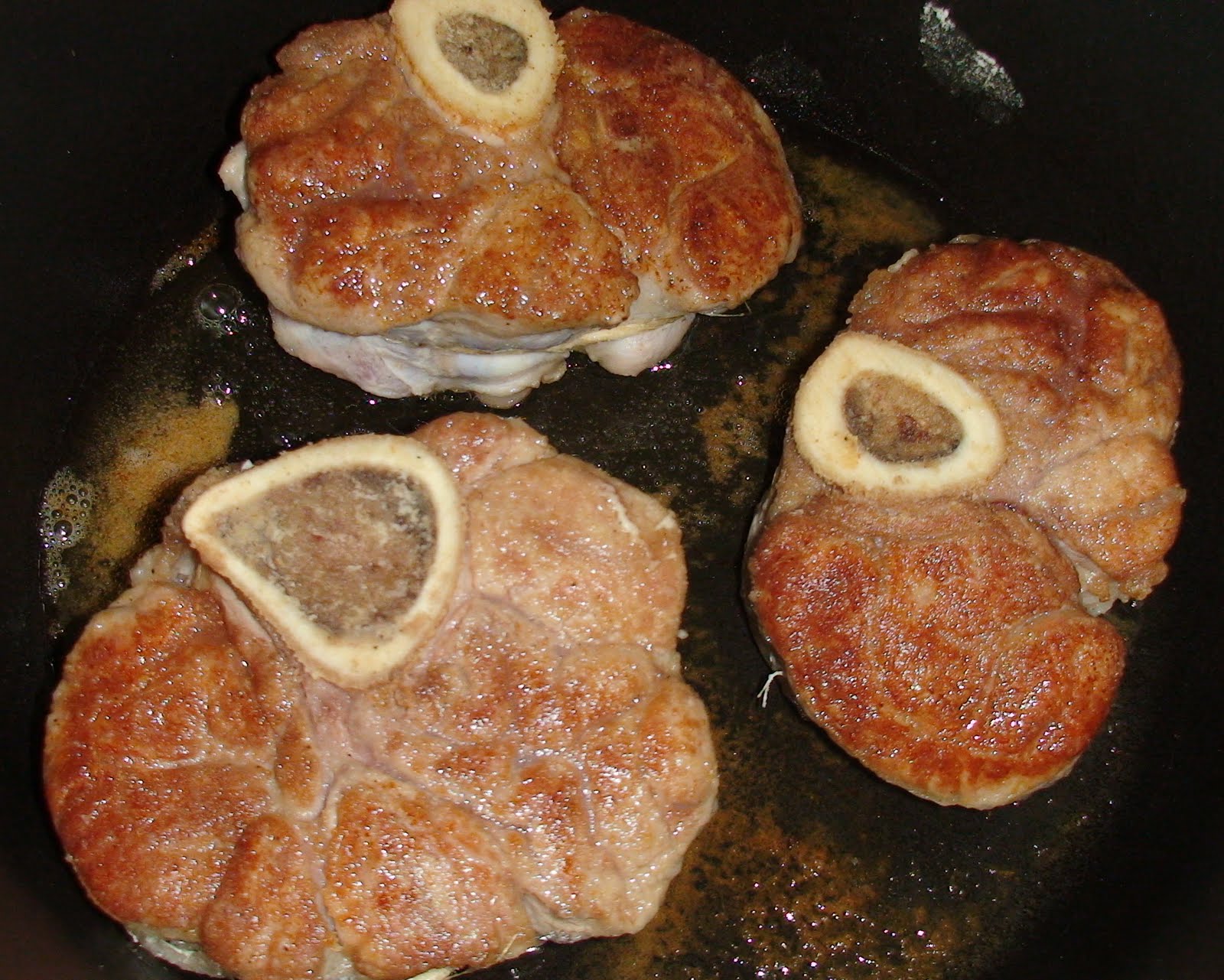
Slope Farms sells pork now. I cannot tell you how excited I am about this. Ken and Linda Jaffe (former Brooklynites who moved to the Catskills) are dedicated to farming healthy cows, and theirs is my absolute favorite beef. I'm not sure of the details on this new pork venture, but I hear they have an elder and respected neighbor who advised them as they set up their farm. This neighbor raises pigs. The Jaffes now sell their neighbor's pork. Look at the marbling on the meat, and the beautiful color. I've tried the chops and a rib roast so far, and WHOA, this is very very good pork.

And on the other end of the food spectrum, processed food, I've discovered what I now believe to be one of the finest canned food products - Heinz baked beans, the kind they sell in England. These are done in tomato sauce, not in that cloying brown sugary sauce that our baked beans swim in. If you see these, try them. Okay, they're canned, but they're actually not that bad for you. And they taste so very good.

Some wine too...

2001 was not a very good vintage in Champagne. Not many vintage wines from that year - it was rainy, especially in the weeks leading up to harvest, there was a lot of rot, and it was a challenge for the grapes to ripen. I know from reading ChampagneGuide.net that this is considered to be one of the most challenging vintages of the past 20 years. So it was fascinating to have the opportunity to try a vintage wine from 2001, Jean Vesselle's Brut Prestige. This wine is all Bouzy, a blend of 70% Pinot Noir and 30% Chardonnay, but it reminded me of a wine I tasted a few years ago by Moutard that is made with the obscure grapes of Champagne, things like Arbanne and Petit Meslier. The wine had overt notes of green herbs and leafy vegetables, and I think it would have benefited from a few grams more of dosage (it was dosed at 3 grams, I believe). But really, it was good wine, well balanced and particularly lovely on the nose. I cannot say that it is what I dream of when I want Champagne, but it was a very good wine, and a reminder that it is possible to enjoy well-made wine from bad vintages.

I had dinner with a few friends and we each brought wine to the restaurant. These were good wines, on paper anyway. We arrived at 7:00, opened everything, and it was clear that nothing was showing very well. After a little while, I don't know how long exactly, but probably an hour or so, all of the sudden everything was fantastic.

I'm talking about a bottle of 2000 Vincent Dauvissat Chablis Les Clos that was butterscotch pudding for a while, and then turned into this detailed and focused thing of beauty. Some caramel notes, but also a bunch of freshly picked white honeysuckle. Pungent, long, and intense with a saline edge to the finish, this was a beautiful wine, a very special treat.

And the 1990 Robert Ampeau Volnay Santenots, a wine that began better than the others, but still was a tangled mess. And an hour later it was gorgeous - a complex and beguiling nose that had that vibrant mature-wine-pungency thing. Flowers, musky and gamy, but in the end, very much about stone. And it is the texture that gets you - the wine couldn't be more silky, and this silk surrounds what essentially is a wine about rock. Textbook Volnay, and a truly compelling and lovely wine.

And the 2002 Paul Bara Bouzy Rouge Coteaux Champenois, a wine that was probably the messiest of all when we first opened it, all bramble and pitch black fruit and very disjointed. But later on, I swear this wine was the freshest and most detailed wet stone basket of ripe strawberries, so pure and elegant, light as a feather. And the 1999 Eric Texier Côte-Rôtie, a wine that fooled all of us. It was a red fruit mash at first - I would have guessed a Grenache heavy wine from further south had I tasted it blind. This one took the longest to come around, but when it did it was a classic old school bloody, meaty, black olivey, and very mineral northern Rhône Syrah.

Can I tell you that the next day I learned that our dinner occurred on a flower day...but only after 8:00 PM. Why do these annoying coincidences keep happening with the confounded biodynamic calendar and the way wines taste?

At a restaurant in Boston I drank a bottle of 2007 Didier Dagueneau Blanc Fumé de Pouilly. The wine was beautiful, a perfect mingling of freshness, tension, elegance, and quiet intensity. It was not in any way showy, and was amazing in its perfect harmony, not for any one particular characteristic of aroma or flavor. Wow, I wish I had more experience with Dagueneau's wines. They are awfully expensive now.

I recently drank an Emidio Pepe wine for the first time, the 2001 Montepulciano d'Abruzzo. It had been open for hours before we drank it with dinner. I loved it, really loved it. Such interesting and delicious wine. Jet black fruit, very brawny, but detailed and fresh, with cooling herbal aromas, and a streak of something like tar and leather. It was lovely with the aforementioned Slope Farms pork roast, and I must find a way to drink this iconic (and expensive, and apparently very variable) wine again.

Lastly, look at this nice list of white wines by the glass. This is at the restaurant Herbsainte in New Orleans. I was down there recently for work, and stopped in to have a cocktail before retiring to my hotel room. But before I could order, I overheard the bartender telling another man that there was a buttermilk fried Louisiana frog legs special that evening. Hmmm.

Forget the cocktail - I ordered a glass of El Maetsro Sierra Fino (!) and the frog legs. Well that whole situation was so delicious, that I decided to keep going, and drank a glass of the 2010 Domaine du Closel Savennières La Jalousie with a little plate of Gulf shrimp and grits with okra. Even more delicious! You know, I used to love Closel but I kind of gave up on the wines after not liking anything after 2002 (and after the last of my 2002's showed oxidized). I told friends that I was done with the wines. Well, I have no idea what's really going on with Closel, but honestly, this 2010 was just excellent - fresh, pure, balanced, showing typical wooly and waxy notes and lots of minerality. A reminder to me not to make pronouncements about wine. I just don't have the years of drinking experience to make pronouncements.

Friday, December 09, 2011

In Defense of Red Wine

I've been having a hard time with red wine lately. Okay, I never have a problem with mature Burgundy, or mature red wine in general. But when I'm alone and I feel like opening something to drink with dinner, or to just have a glass, I almost always reach for white wine these days. White wine is so much more versatile with food, so much easier to drink on its own. I'm speaking in broad terms, obviously, but I looked through what I've been drinking for the past few months and it's almost always white wine, unless some sort of special mature red is involved.

There could be many reasons for my bias. I did just go to Jerez, and I have been drinking a lot of Sherry. But I think it's more than that. I think that it's about easy drinking - I want to drink wines that clearly say what they are about, where they are from, that do not distract me with excess fruit or tannin, or any kind of excess. Lately, white wine just makes this happen for me far more often than red.

But of course there are red wines that continue to fit the bill. I've noticed that there are a few things that unite the everyday red wines that I reach for lately. They are lighter wines, wines that achieve balance above all else, and also express themselves with finesse and grace. Here are a few current favorites:

2007 Muhr-van de Niepoort Carnuntum Blaufrankisch, $20, Imported by Martine's Wines. This is definitely a wine that showcases ripe dark fruit, but that's only a part of the package. There is an unmistakable white pepper scent (I guess white pepper is more about Austrian soils than it is about Gruner Veltliner), and the nose is entirely graceful and expressive. The wine is perfectly balanced and feels great in the mouth. It satisfies on many levels - there is fruit, soil and mineral, and a pleasant leafy undertone. I must say, I've not been as impressed with a red wine in a while, as far as quality-to-price ratio goes. This is absolutely top notch wine, I bet it would improve with time in the cellar, and it sells for $20 before a mixed case discount. It isn't too hard to find in NYC (Blanc y Rouge in Brooklyn, Chambers Street Wines in Manhattan, among others), but if you're having trouble, try a wine by Moric - more expensive, but also great.

2008 Julien Labet Côtes du Jura, $36, Imported by Fruit of the Vines. Joe Salamone at Crush brings this wine to NYC and it's worth asking about. Objectively speaking, I think that Overnoy/Houillon's is the finest Poulsard out there, but that wine is basically impossible to find and it's gotten quite expensive. Labet's is excellent too. So light and graceful that it seems strange how well structured it is. This wine smacks of dried leaves and blood oranges and herbs and it's completely delicious. But what moves me about it now is how impossibly weightless and light it is, and still how clearly and pungently it expresses itself. If Labet's Poulsard proves to be too hard to find, there are several others out there. They should all be similar in their graceful delivery of Jura-ness.

2010 Clos de Tue-Boeuf Cheverny, $19, Louis/Dressner Selections. Red wines from Cheverny in the Loire Valley can include a variety of grapes. This one is made of Gamay and Pinot Noir. It is a lovely wine - high toned and bright red in fruit, a bit of forest underneath and a genuine crackle of energy that can be mistaken for effervescence - decant or otherwise aerate the wine and the energy is still there. This wine isn't for everyone - it's light and bright and flirts with volatility, and it doesn't offer anything in the way of power. It's not really about fruit either, although there most certainly is fruit. It's a refreshing and light wine that really is an expression of this place and this winemaker. If you try it, aerate the wine before you drink it.

2010 Domaine Guion Bourgueil Cuvée Domaine, $12, Imported by Fruit of the Vines. David Lillie at Chambers Street Wines is responsible for bringing this wine to NYC. This is the lighter of the two Guion Bourgueils, and I prefer it to the Prestige Cuvée, in general. The 2010 is a wine that I really like, although again, it's not for everyone. It is not a fruity wine, except for the first 10 minutes or so after opening. It's only $12 but it is a complete wine - a perfect balance of iron minerals, bloody dark fruit, and acidity, and the structure is firm but doesn't intrude in any way. This is an easy drinking wine that I think faithfully expresses terroir.

Friday, February 18, 2011

Farro Salad

Last summer I had lunch at Al Di La, the Venetian trattoria in my neighborhood and one of things we ate was a delicious farro salad. Farro is the Italian name for wheat berries - whole grain wheat. Al Di La served their Farro salad with cherry tomatoes, black olives, herbs (I don't remember which), lemon juice, and olive oil. Simple, healthy, delicious - I wanted to make it at home. I made several farro salads in the warm weather and found that they are as easy to make as they sound.

It's cold now, but last week I found myself craving farro. Is farro salad only for warm weather? Can I add things like roasted root vegetables to make a savory winter farro salad? Why not, who's going to stop me.

I rinsed the farro and then, following the instructions on the package (which is called Farro Intero), soaked the grains for 25 minutes.

Meanwhile, some small pieces of cauliflower, parsnip, and carrot, salt, pepper, and a bit of olive oil. Toss first to coat the vegetables and into the oven for about 45 minutes at 375 degrees.

After soaking, drain the farro and put it in a pot of boiling water, let it return to a boil, and then simmer for another 25 minutes. The farro should be soft but still offer some resistance, a little chewy. They're strangely tasty on their own, kind of nutty and satisfying. Strained and dressed with lemon or vinegar and olive oil, and whatever else you feel like throwing in - delicious.

I used about a half pound of farro, put in the roasted root vegetables, some fresh young goat cheese (maybe 2 ounces), the juice of a lemon, some olive oil, a handful of chopped parsley, and more salt and pepper. Mix well, and make sure to put in the goat cheese while the farro and root vegetables are still hot so the goat cheese melts and becomes part of the salad dressing.

Farro has a lot of protein. With the proteins in goat cheese, this dish offers a lot of protein, but also a good combination of proteins. There are root vegetables too - this is a complete meal in one bowl, it is not expensive to make, and you will have plenty of leftovers to take for lunch the next day.

But far more importantly, what to drink with this dish? I immediately wanted a Sancerre, or any Sauvignon Blanc from the Loire, as the goat cheese seemed to ask for it. Having none in the house, I waffled back and forth for a while before deciding on another Loire white wine.

Yes, yes, yes, I am aware that this wine is eons away from its apex but it's the new vintage of Huet and I wanted to try a bottle. The 2009 Domaine Huet Vouvray Sec Clos du Bourg, $33, A Rare Wine Company Selection. There is plenty of pleasure here, although the wine is a mere baby and very tightly wound, inward. Based on the warm 2009 vintage, I was expecting a great deal of concentration, but that's not so. The wine definitely has an inner core of energy and power, but the texture is very fine. Its is a detailed, and at times delicate body. The nose is a joy, with lovely orchard fruit and floral aromas, pure and fresh. There is strong acidity and very good balance, and the wine is delicious but not yet very expressive of Clos du Bourg, or of any of the three Huet vineyards, really. It talks instead of very young, expertly made Vouvray. The finish takes on a nice herbal tone on day 2, although there wasn't much movement on the palate. This wine is years away from maturity, but it seems to me as though it will be great. And I loved it over those two days, and it went very well with my savory farro salad.

Sunday, December 05, 2010

Osso Bucco

I've made Osso Bucco before, but with beef shanks, never with veal. The other day prowling the meat case at the coop, I saw three shiny and beautiful veal shanks sitting there, and so I pounced.

Osso Bucco is braised shanks, a humble cut of meat, and yet there is something celebratory about it. It's no more difficult than any other braise, and if you're having trouble thinking of something yummy to serve for the holidays (that might impress your guests), consider Osso Bucco. You can create your own recipe, in a way - you need to brown and then braise the meat, and you should probably add some vegetables. I braised mine in a mixture of chicken stock and fresh squeezed orange juice, and added sliced fennel and carrots. You can use tomato, wine, stock, any kinds of vegetables, whatever. The point is, brown the meat, cook it in the oven low and slow. Here's a bit more on how I did mine, which were pretty darn tasty, if I say so myself.

I usually season braising meats with salt and pepper at least 24 hours before I plan to cook them, but I didn't do that with this veal. I guess I figured that the meat would be rather delicate, and that I didn't want to over-season it. Veal and beef shanks have a white membrane on the outside that holds everything together. You should use kitchen shears to cut through it in a few places, and then some cooking twine to hold them together. I've skipped that step before, and for some reason the meat curls and twists while braising. It's worth using twine.

Dredge the shanks in flour seasoned with salt and pepper, and then brown them on all sides in a heavy bottomed braising pot. Remove the meat, pour out the fat from the pot, and pour in a bit of acidic liquid. I used some orange juice. You can use wine, vinegar, whatever. Scrape the browned bits off the bottom of the pot, and then add 2-3 cups of liquid - I used a mixture of chicken stock and orange juice. Probably it's best to use veal stock. Good for you if you find veal bones and make veal stock.

Bring the liquid to a boil, add the meat back to the pot, cover with a damp sheet of parchment paper and a tight lid, and into the oven at 300 degrees for an hour. If you want to eat the marrow, turn the meat so the wider end of the bone is facing up.

Then add your vegetables - I used a fennel bulb that I cut into half in slices, and two big carrots. I also added a bay leaf, a few black peppercorns, and a bit of salt. Cover again with damp parchment paper and a tight lid, another hour in the oven, and life should be good. If you're using beef shanks instead of veal, you might add 30 minutes to each cooking segment, by the way.

While the veal was braising with the vegetables, I made a gremolata, a mix of chopped citrus zest, herbs, and garlic. I used orange zest because I used a bunch of oranges for the braising liquid, and I used those wispy fennel tops that look like dill, because I used a fennel bulb in the braise. You could use parsley and lemon zest, whatever you like. I also used just a little bit of garlic, less than a teaspoon, and some salt.

When the veal is as tender as you want it to be, remove it and the vegetables from the pot. Now you decide what you want to do about sauce. I simply turned up the heat on the stove top and cooked down my braising liquid until it was reduced by a bit more than half.

On a bed of rice, with some of the vegetables, the sauce, and topped with gremolata...yum. We spread the marrow on toast too, just because we could. And by the way, although my kids didn't eat it in this form, I shredded some of the leftover meat for them, mixed it with the chopped vegetables and even some gremolata, and they both ate it all up.

What to drink with this dish? I used orange juice and stock, and after reducing like that, there was an unmistakable orange scent to the sauce. I wanted a full bodied white wine, something with plenty of acid to cut through the rich meat, but also something with herbal flavors, maybe, to play with the fennel? Since I have no Italian white wine in the house, I opened a 2005 Domaine du Closel Savennières Clos du Papillon, $33, Louis/Dressner Selections, which worried me with its alcohol and bulk two years ago, and has not improved, I'm sorry to say. If I could go back in time and prepare better, I'd open a Tocai from Friuli, perhaps by i Clivi.

Osso Bucco, baby! Don't even be a little bit scared, because you should definitely make this dish.

Wednesday, November 10, 2010

Thanksgiving Wines

How do I pick wines to bring for Thanksgiving, Brooklynguy?

What should I do, Brooklynguy, because I have to pick the wines this year?

It's my responsibility to get wine for our dinner this year, and I don't know what to get. What should I buy?

I'd be curious to hear your thoughts on Thanksgiving wines, Brooklynguy.

None of the above are questions that were asked of me, although I'm going to pretend that they were.

Here's how I pick wines for Thanksgiving - I remember that in my family, the only person who cares even a little bit about the wines is me. No one wants to discuss the wine. But they know that I'm into wine, so they expect a 2 minute explanation about the wines I brought. Not more than two minutes though, and keep it simple.

So I bring wines that I want to drink, but also wines that I imagine my family will also enjoy because they smell and taste good. And I try to keep things low in the alcohol department because there will be driving in traffic, and more importantly because I don't want it to be my fault when a family member gets awkwardly weepy and declares their firm intent to see more of the rest of us.

I like to drink sparkling cider while hanging out before the meal, and my family does too. They don't hate it, anyway. It feels festive and it's low in alcohol. Three producers whose ciders I buy without hesitation - Julien Frémont, (Louis/Dressner Imports), Eric Bordelet (JD Headrick Selections), and Cyril Zangs (Savio Soares Selections). This year I'm bringing one of Bordelet's pear ciders, the 2009 Poire Authentique. At 4% alcohol, I just cannot see things getting out of hand for anyone. I'm also bringing 2009 Bisson Prosecco Treviso (Imported by Rosenthal Wine Merchant) because it's very tasty and accessible, and at 11% alcohol, this bottle will not directly result in too many abusive comments amongst my family members. None of those bottles costs more than about $15, unless you buy the fanciest Bordelet Ciders which are beautiful, but also drier than the turkey you will very shortly be forced to eat.

I'm bringing white wine too, and nothing terribly creative - Mosel Riesling, thank you very much. Why not, really? It works well with the food, the sweet orchard fruit makes people happy,and the saw-like acidity makes me happy. In my family, I seem to be the only one who drinks white wine during thanksgiving dinner, so if I want to drink 2008 Knebel Riesling Trocken and 2009 Peter Lauer Saar Riesling Barrel X, then that is exactly what I shall drink. These are both imported by Mosel Wine Merchant, cost around $15 each, and are legitimately excellent wines.

You might be surprised to hear that I am also bringing red wine this year. I would bring Beaujolais, but the ones that I like the most cost at least $20 per bottle, and I'd prefer to spend less. I know it's a bit bulkier than is ideal, but I tend to bring Loire Cabernet Franc wines to Thanksgiving dinner because people expect their red wines to be brawny and dark, and I certainly do not want to rain on my family's parade. So I'll bring 2007 Filliatreau Saumur-Champigny La Grande Vignolle, $18, Louis/Dressner Imports and 2007 Domaine Guion Bourgueil Cuvée Prestige, $14, Fruit of the Vines Imports. These wines are actually far more graceful and balanced than people might like, but they are delicious wines that will make people happy and whose spicy undertones should pair nicely with the frustrated political discourse and inappropriate career advice that will flow freely during dinner.

Hope this helps!

Thursday, October 07, 2010

Domaine Filliatreau, Saumur-Champigny

In the way that the general wine drinking public under-values Loire red wines, I think that us Loire lovers under-value the wines of Domaine Filliatreau. In Saumur-Chamigny, it's easy to pay attention to the great wines of Clos Rougeard and to ignore everyone else. My favorite producer in Saumur-Champgny, outside of Clos Rougeard, is Domaine Filliatreau. The wines deliciously express terroir and are modestly priced.

Filliatreau's is a large estate and there are many wines produced. Not all of these wines make it to the US, and those that do make it here are not widely available. They are worth looking for, though, particularly the two top wines, Grand Vignolle and Saumur-Champigny Vieille Vignes. And it is these two that I very rarely see, at least in the retail shops that I frequent. I love the Vieille Vignes, but the last vintage that I've seen here is 2005 -that was two years ago. I drank a lot of 2005 Grand Vignolle, didn't love the 2006, never saw the 2007, and liked the 2008 a year ago at a Dressner tasting.

I haven't seen Grand Vignolle on retail shelves in almost 2 years, but I am happy to tell you that Chambers Street is selling the 2007 right now, and the wine is in New Jersey too - who knows where else. If you like Cabernet Franc from the Loire and you haven't tried this wine, you honestly should make a point of buying this. I promise you, you will not be disappointed. If you are, email me and I'll send you a check*.

La Grand Vignolle is a large set of vineyards that runs alongside the Loire River in Saumur-Champigny. The vineyards are on a large hill of Tuffeau and other rock, and there are caves, and even houses built right into the stone. The vines for this wine are about 40 years old and the wine is typically intense and expressive without being too weighty.

2007 Domaine Filliatreau Saumur-Champigny La Grand Vignolle, $18, Louis/Dressner Imports. This is great wine! Right out of the wine fridge, it is all about cool dark fruit flavors and floral aromatics. As the wine warms, the iron and metal minerality takes over the bass line and the nose begins to show graphite and tobacco tones. Perfectly balanced and completely delicious, there is no shame in drinking this all up now. But the quiet old vine intensity, the substance that emerges in the mid-palate, the strong acidity...these things make me determined to put a couple bottles away for a few years.


*By "check," I mean a note of apology.

Tuesday, September 28, 2010

Delicious and Expressive of Place...for $10

Who says there's nothing good out there for about $10? There are good wines at that price point but they're harder to find than I can ever remember. What do I mean by "good?" I don't mean just that they taste good and are well balanced wines, although they do and they are. I mean also that they show something of the place where they are from.

I drank two very good wines recently that cost me all of $10.80 apiece. Wines that I would recommend to anyone, wines that I would happily drink anytime because they are delicious and expressive of place. It doesn't hurt that both wines match beautifully with a wide array of food.

2007 Michel Brégeon Muscadet Sèvre et Maine Sur Lie, $10.80 (mixed case discount price), Imported by Kermit Lynch Wine Merchant. After reading David Lillie's great Muscadet piece in the Art of Eating I had to drink some Muscadet. We cooked some meaty and sweet triggerfish with a mix of chopped late summer vegetables cooked simply in butter. Edward Schneider of the NYTimes Diner's Journal blog cooked with triggerfish this summer, by the way, from the same market where I bought mine. He didn't love it, but I think my preparation is better than the one he used (come on over and try it if you don't believe me, Ed).

I like slipping the fish through flour that has been seasoned liberally with salt and pepper, and then frying over high heat in butter. Triggerfish eat shellfish and their flesh is sweet. The flash frying in butter accents the sweetness of the fish. It might sound silly to quibble over olive oil or butter, but these things are important when you are working with fresh ingredients and cooking simply. Anyway...the Muscadet was a great match for the fish, drinking so much better than it was a year ago. It is more open now, well balanced and stony, good substance on the mid palate, and the finish fragrant with citrus and the smallest hint of fennel. This is absolutely lovely wine for the same low price as most crappy Malbec.

2009 Marcel Lapierre Vin de Pays de Gaules Raisins Gaulois, $10.80 (mixed-case discount price), imported by Kermit Lynch Wine Merchant. This is Marcel Lapierre's simple country wine, and it is utterly delicious. It is also unmistakably Gamay from Beaujolais - you could identify this blindfolded simply by smelling it. Actually, I'm not sure exactly where the grapes were grown, but you can read David McDuff's post for more information. This is 2009, a great vintage in Beaujolais, and this wine offers particularly great quality this year. It likes a little swirl after opening - it is a screwcap closure and a little reductive at first. But it blossoms quickly and shows lovely ripe and spicy fruit and that enticing sweetly snappy acidity that invites - no, requires further drinking. Regional Beaujolais from good producers used to cost about $14 a few years ago. Now it's closer to $18. This Lapierre wine is of similar quality and costs less (in NYC, sorry Philly). If you see this wine you should buy it.

Thursday, September 23, 2010

Now THAT'S Good Wine Writing

I just got the new Art of Eating, issue number 85. I always enjoy this magazine, Edward Behr's journal in which passionate scholars of food and drink discuss in vivid and personal detail the things that they love. This issue is particularly exciting to me, as it features work by two of NYC's hardest working wine professionals, both of whom I now know at least a little bit.

Levi Dalton, my friend and the head sommelier at Alto, in the monthly column entitled "Why This Bottle, Really?" writes about one of his favorite Fianos, the Pietraculpa Fiano di Avellino. In just a couple of paragraphs he provides context for the wine and describes in detail why it is special. Fiano is a wine that I had never heard of until last year at around this time when I went to Convivio for dinner and put myself in Levi's hands, omakase style. With my grilled sardines he served a glass of Fiano (I don't remember which one), but I remember how the smokiness of the wine and its great clarity made my sardines taste impossibly good.

David Lillie, one of the owners of Chambers Street Wines, one of the finest wine stores on the planet, writes a full length article called "The Flavor of Stone" about the wines and producers of Muscadet. It immediately, in my opinion, becomes the best place to begin reading and learning about those wines, the people who make them, and the place where they are grown.

At the end of the article, David briefly discusses a plan in the works that would change the appellation status of some of the finest wines of the region. Top producers such as Marc Ollivier, Pierre Lunea-Papin, André-Michel Brégeon, and others are making great wines that showcase specific terroirs within Muscadet, and often involve lees aging for longer periods than are allowed under the appellation rules. Ollivier's Granite de Clisson is a prominent example. Growers are petitioning for Grand Cru status for these wines, and it will be interesting (and quite possibly very frustrating) to see the results as they unfold. For anyone interested in Muscadet, this is an absolute must-read.

These great pieces remind me of what it is that separates great wine writing from the more common kind of blogging that I do. In reading these pieces, one learns something of the author and a bit about the way they personally experience the wines, their professional take on the flavors and aromas. But these pieces contain more than just tasting notes, opinions, reminiscences, pairing advice, and other bloggerly type work. There is actual fact in here, fact that frames and perhaps forms the most important part of the stories. One comes away smarter after reading, not simply entertained.

Congratulations Levi and David! I hope that you both find ways to continue writing about wine.

Oh, and by the way, The World of Fine Wine now hosts a blog and my friend Peter Liem, another of the world's finest wine writers, will be a regular contributor. Anyone familiar with WOFW knows that four times a year it is an incredible work of science and art. It attracts some of the finest and most learned wine writers in the world, and it is a well deserved honor for Peter, already a regular contributor to the quarterly journal, to write for the blog.

Monday, September 20, 2010

What a Difference a Year Makes

Cellar space is at a premium in NYC. I can't save all of the different wines I would like to age. There are many different wines in my "cellar" (read: wine fridge), things that most anyone would agree should be left alone for years before drinking. It's the little wines that I never seem to make room for, and we drink them up when they're young.

There's nothing at all wrong with that - if a wine is expressive and delicious young, why not drink it? Some humble little wines, though, can improve dramatically with even short-term cellaring, and I wish that I had more space/self control to give them that extra year or two in the bottle.

A couple examples. I never manage to hold any Coudert Fleurie. The old vines Cuvée Tardive I'm good about, but the regular wine...as much as I'd like to sock a few bottles away, the wine is always delicious young, and so we drink it. Another example - all Bandol rosés. As committed as I am to holding a bottle or two, I seem to find excuses to open them.

This is all too common with me. There are so many wines that I'd love to put away, but don't. Such is life - there are choices to make and one cannot cellar every interesting bottle of wine. I drank a few things recently that reminded me of the rewards of storing the humble wines even for just a year or two.

2006 Bernard Baudry Chinon Cuvée Domaine, $18, Louis/Dressner Selections. I've always enjoyed this wine but I never managed to store any until the 2006 vintage. It's just so good, even right out of the gates. Some folk, like the Vulgar Little Monkey, figured out long ago that there are several Baudry wines worth cellaring, the humble Cuvée Domaine included. It's not Baudry's top wine and it will never be earth shattering, but Cuvée Domaine is a great wine that in most vintages is even better with a few years in the cellar. The tannins have rounded a bit in the 2006 and the wine flows freely across the palate. The fruit is rich and the body lean and muscular, the sensibilities of gravel and flower coexisting harmoniously. You will be proud of me when I tell you that I still have another bottle of this. And a few of the 2007's too. I need an underground cave.

2006 Jacques Puffeney Arbois Trousseau Cuvée les Bérangères, $30, Imported by Neal Rosenthal Wine Merchant. Again, this was always an attractive wine. But I managed to hold this last bottle for merely one year and the payoff was huge. The slight astringency that I was always happy to work with is gone now, and so is whatever else that is not essential to the purest of cool red currant and leafy raspberry, the gamy undercurrent, and the stony finish. So agile and energetic, such a compelling example of cool climate mountain wine from the Jura. I hereby renew my commitment to the 2007's.

2007 Domaine de Terrebrune Bandol Rosé, $25, Kermit Lynch Imports. I won't lie to you - I didn't cellar this wine. I drank all mine last summer and loved all of it. But Chambers Street came across a small bit recently and I bought a bottle from them. Wow - the wine is even better. It takes a while to open up, but when it does it really sings. Peach juice, spices, metal, and stone, pure as can be and perfectly balanced. The gamy streak that was there in its youth was not here a year later, but I loved how there is a new dimension to the texture. There are layers on the palate now, and there is a tactile sense to each flavor. I bet that this is just the beginning for this wine, actually. Bert Celce of Wine Terroirs has written about the aging potential of Bandol rosé, Terrebrune's in particular.

Sunday, August 01, 2010

New Vintages

Some of my favorite wines have just been released in new vintages. I haven't had all of them yet, but I figured I'd share the news about the group that I've had at home with dinner:

And by the way, if these wines are representative of what's happening in general, 2009 in Beaujolais really is as awesome as they say. Buy the wines and drink them. Sure, pick a few that you are most interested in and lay a couple of bottles down, but these wines are drinking beautifully right now. Don't miss it.

2009 Marcel Lapierre Morgon, $22, Imported by Kermit Lynch Wine Merchant. Ripe and enticing, pure and clean, very fresh, this is bursting with red fruit and as if to suggest what we would be eating with this wine if we were already in heaven, an undertone of earthy cured meat. This wine is not perfect - I find the alcohol to be a bit awkward, although the bottle says only 13%. But I wouldn't be surprised if it is in fact higher. And in any case, it juts out a little. The this is, the wine is still delicious. I cannot imagine cellaring it, as it tastes so good now, and doesn't seem to be holding anything in reserve.

2009 Coudert Clos de la Roilette Fleurie, $20, Louis/Dressner Selections. Ripe and aromatic, very generous, plushly textured and with good body and richness, but without crossing into the land of overdone or huge. In other words, it's a solid standard deviation away from the ripeness mean, but still within the realm of normal. Will this age well? I don't see why not. There is plenty of acidity and the wine is fundamentally in balance. In this case though, I'm having a really hard time imagining why I would try to hold it. The drinking really is just that good right now.

2009 Clos de Tue-Boeuf Cheverny, $16, Louis/Dressner Selections. Pure joy. Vivid red fruit, when served cool the texture is not entirely smooth and that is a big part of the charm, the acids are strong, the aromatics are lovely, the wine is clean and absolutely well balanced, and the finish lingers longer than it has a right to considering its humble pedigree. You blend Pinot Noir and Gamay somewhere near Touraine and you can make a decent wine. Even if you are Thierry Puzelat, the wine is not always great. This time, it's great. What else can I say - pure joy.

2008 Pierre Gonon St. Joseph, $25, Imported by Fruit of the Vines. As good as this wine is, it's a bit of a disappointment. The past several vintages have been wonderful and this wine is very tasty too, but it isn't as strong as its predecessors and this is clear. It has the dark fruit, the olives, the wet soil, the finesse that I know of Gonon and his plots in St. Joseph, but it is lacking the complexity that I have come to expect and with air, the emptiness of the midpalate really shows. The price is right and this is good drinking, but don't believe that this is the best that Gonon can show you.

2009 Domaine de la Pépière Muscadet Clos des Briords, $16, Louis/Dressner Selections. This drinks differently than any young Briords that I've had, but that's okay because it's still absolutely delicious. This one is far more crowd friendly and approachable. The aromas are lovely and clear - lemon, a bit of yeast, spring water. The wine feels relaxed, as if it's already gone through that young tightly wound period. I've learned enough, however, about this wine to know that based on this one bottle, I have no idea what's really going on here. It certainly seems like it wants to be enjoyed early. And it tastes really good right now.

2008 Albert Boxler Edelzwicker Reserve, $16, Robert Chadderdon Selections. Sometimes the overall bigness and the residual sugar in Boxler's wines makes it hard for me to appreciate them on a practical level. Meaning, I respect what's going on, but I don't always want to open and drink them. Not so with this wine. This is the field blend of essentially every white grape grown by the estate. Yes, it is full bodied and big, unmistakably a Boxler wine, and there is residual sugar too. But the wine is very well balanced and actually feels lean and mineral on the finish. Herbs, pits, wildflowers, and bitter honey support and lend complexity to the wine, and it is so very satisfying. And flexible too - find something that doesn't eat well with this wine in the heat of summer, I dare you.

2000 López de Heredia Rioja Rosado Viña Tondonia Gran Riserva, $24, Imported by Polaner Selections. I haven't actually had an entire bottle of this yet, just glasses on several occasions. But I'm very excited about what I drank. This wine is perhaps more grounded than the 1998, a wine that I think is absolutely excellent, but a wine that took a year after release to show as well as it does now. That's the thing with these Lopez wines - they release them when they think they're ready, but maybe they should get a little more time in your cellar anyway. The 2000 has a darkly spicy, very focused character, and it is more attractive to me early on than the more tropical 1998 at this point in its life. Blood orange, salt, sherry, and so clean and pure. I hope I have the self-control to hold onto a few of these.

Thursday, July 01, 2010

Good Things to Eat in Chilmark

To eat steak in Chilmark is sort of like going to Peter Luger and ordering the fish. It is possible to do such a thing, but why would you? Most of the seafood that we ate while on vacation came from boats like these:

The guys on these boats go to work in the middle of the night. They're catching flounder, sea bass, sole, tuna, clams and lobster. We walked on the docks right next to these boats and to me they seemed like very old men - wrinkled and worn, sleepy, a bit creaky and crabby, but with plenty of practical knowledge, the kind that only lots of time working and living can produce.

Some of them made me think of the junky space ships from the original Star Wars movie.

At what point does the boat cease to be seaworthy?

This looks alarming to me, but it's probably normal, like a worn in pair of sneakers. What do I know from boats?

Anyway, one fun way to eat seafood in Chilmark is go to Larsen's Fish Market to buy lobstah, clam chowdah, and crab cakes, and eat them while sitting on the dock out back.

Those plastic rocks glasses contained Marc Ollivier's Clos des Briords and Granite de Clisson, by the way.

One day, in a stroke of good luck, we saw a sign outside of the Chilmark United Methodist Church.

The ladies in the back kitchen were not playing games. They might look sweet and kind, but these are hardened lobstah roll pros and they will stuff lobstah to the point of overflow into a hot dog bun.

There's no hidden layer of iceberg lettuce on the bottom to make the lobstah look more plentiful. This is all lobstah. A squirt of lemon, the daughters dancing around and taking tiny inquisitive bites...vacation.